

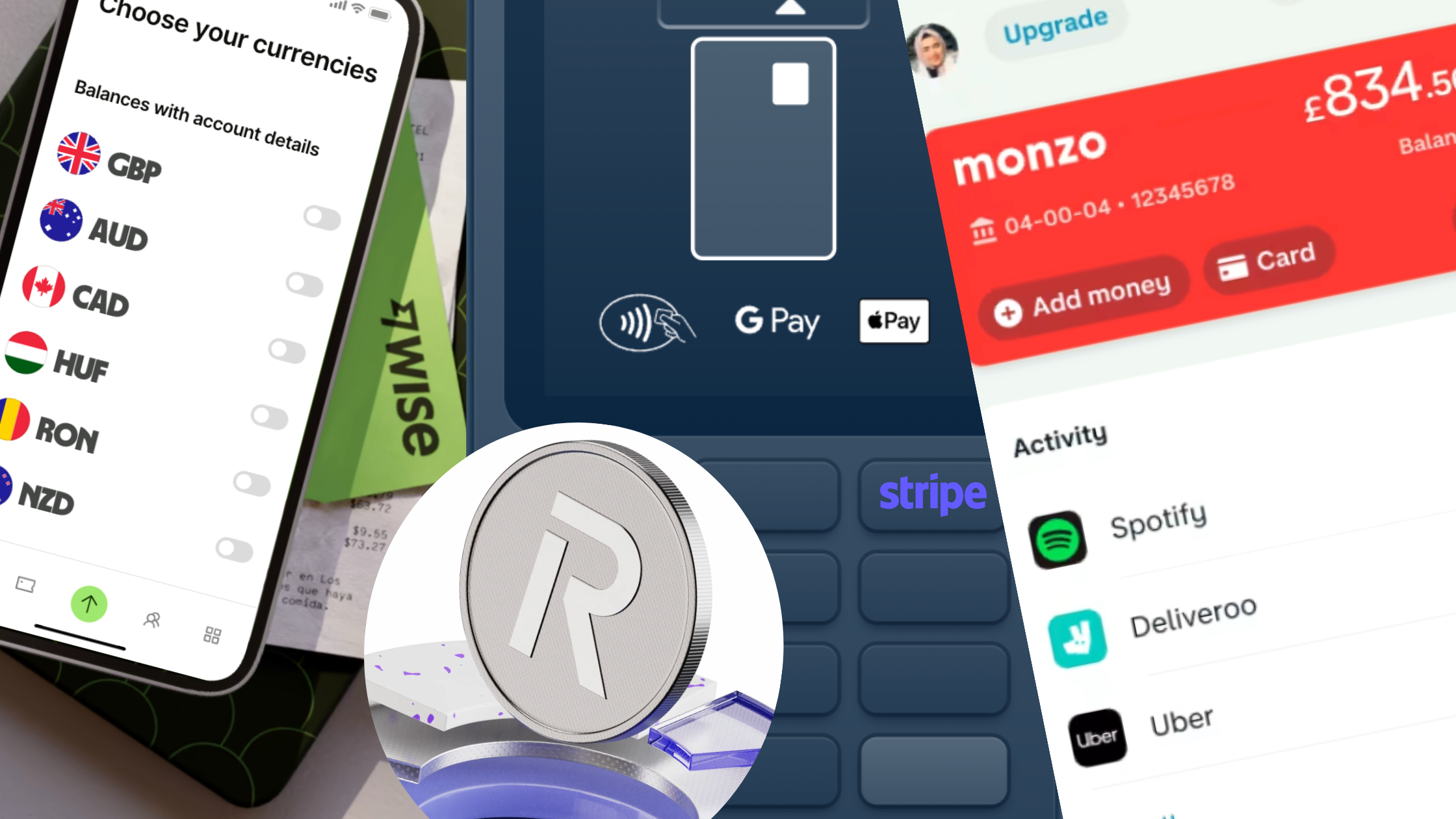
In 2025, personalisation has evolved from a marketing advantage to a strategic imperative for fintech brands. The financial services landscape is increasingly driven by customer demand for tailored, relevant experiences that reflect their unique needs and preferences. Generic messaging and one-size-fits-all solutions no longer suffice in a sector where trust, differentiation, and engagement are crucial to success.
For fintech brands, this presents both challenges and opportunities. Public relations and communications strategies must now be underpinned by data-driven insights, AI-powered engagement, and precision storytelling that speaks directly to segmented audiences. Personalisation is not just about improving the customer experience – it’s about strengthening credibility, deepening loyalty, and positioning your brand as a leader in a highly competitive market.
This blog examines four critical trends in fintech communications for 2025, highlighting practical approaches to embedding personalisation at the core of PR strategies to achieve measurable impact.
Personalised Storytelling: Crafting Messages That Resonate
A compelling narrative has always been central to good PR, but in the age of personalisation, storytelling must go deeper. Fintech brands should craft highly relevant messages that resonate with diverse audience segments, ensuring every customer feels seen, heard, and understood.
Take, for instance, the success of Monzo. The challenger bank has mastered the art of tailoring its communications to specific customer personas, whether by highlighting features for students, small businesses, or individuals looking for better savings tools.
This approach humanises the brand and creates an emotional connection, showcasing how Monzo is not just a bank, but a financial companion. Their relatable tone and transparent messaging set them apart in a crowded market.
Fintech brands looking to emulate this approach should lean into audience insights to craft stories that evoke emotion and demonstrate value. By segmenting communications for B2B and B2C audiences, it is easier to speak more directly to the pain points of each group, resulting in a significant increase in engagement and customer satisfaction.
Leveraging Data to Build Credibility and Trust
Personalisation thrives on data. For fintech brands, leveraging customer insights is no longer optional – it’s critical to building trust and long-term loyalty. Transparency about data usage, paired with thoughtful, data-informed communications, can transform how customers perceive your brand.
Revolut is a standout example. By analysing user behaviours, they’ve developed tailored offerings like budgeting tools, savings features, and customised in-app advice. These data-driven personalisations not only meet customer needs but also reinforce the brand’s credibility and commitment to enhancing financial wellbeing.
For PR professionals, the key is to position data as a tool for empowerment rather than intrusion. Campaigns that highlight how data is used responsibly to deliver better, more relevant experiences can shift perceptions and build stronger relationships.
From Transactions to Connections: Building Emotional Resonance in B2B Payments Marketing
In B2B fintech, where the focus is often on efficiency and reliability, there’s a growing opportunity to humanise offerings through emotional storytelling. Personalised campaigns that emphasise the impact of open banking or payment solutions on real businesses can foster deeper connections.
Stripe is a great example. Their case studies highlight the journeys of small businesses that have scaled thanks to their payment infrastructure. These stories are relatable, human, and emotionally engaging, turning a technical product into an enabler of growth.
One of our clients recently adopted a similar strategy, showcasing the lives of business owners whose companies flourished after implementing their fintech solutions. This approach not only drove stronger engagement but also helped them secure valuable partnerships by demonstrating the real-world impact of their services.
Personalised Crisis Management: Tailoring Communications in a Fast-Paced Fintech World
Crises in fintech are inevitable, whether it’s a cyberattack, a data breach, or a regulatory issue. How brands respond can make or break their reputation, and personalised crisis communication is critical for maintaining trust.
A good example is Wise, the international money transfer firm, which faced scrutiny when the National Bank of Belgium found it lacked appropriate proof of address documentation for hundreds of thousands of customers – a significant anti-money laundering (AML) compliance issue.
Wise responded swiftly with a comprehensive remediation plan, requiring affected customers to provide valid proof of address within a set timeframe. The company also reinforced its AML controls by dedicating more resources to financial crime prevention, demonstrating its commitment to compliance.
Transparency was central to Wise’s approach. It maintained clear communication with regulators and customers, outlining the steps being taken and the importance of safeguarding the financial system. This proactive, customer-focused strategy not only addressed the compliance issue but also reinforced trust among stakeholders.
The Wise case highlights the importance of personalised crisis communication. By tailoring messaging to specific audiences and acting decisively, fintech brands can navigate challenges effectively and protect their reputation.
Conclusion: The Personalisation Imperative for Fintech PR
As fintech continues to grow in complexity and competition, personalisation will remain a cornerstone of effective PR and communications. By leveraging data insights, crafting emotional narratives, and delivering highly relevant messaging, brands can create lasting connections with their audiences.
In 2025, it’s no longer just about transactions; it’s about building meaningful relationships. Fintech brands that embrace personalisation will not only differentiate themselves but also set a new standard for innovation and customer engagement, driving the transformation of financial services into a more human-centric, trusted, and impactful industry.
If you found this blog insightful, you might also enjoy our article on 2025 Communications Trends for Tech Leaders. Read the full article here.