

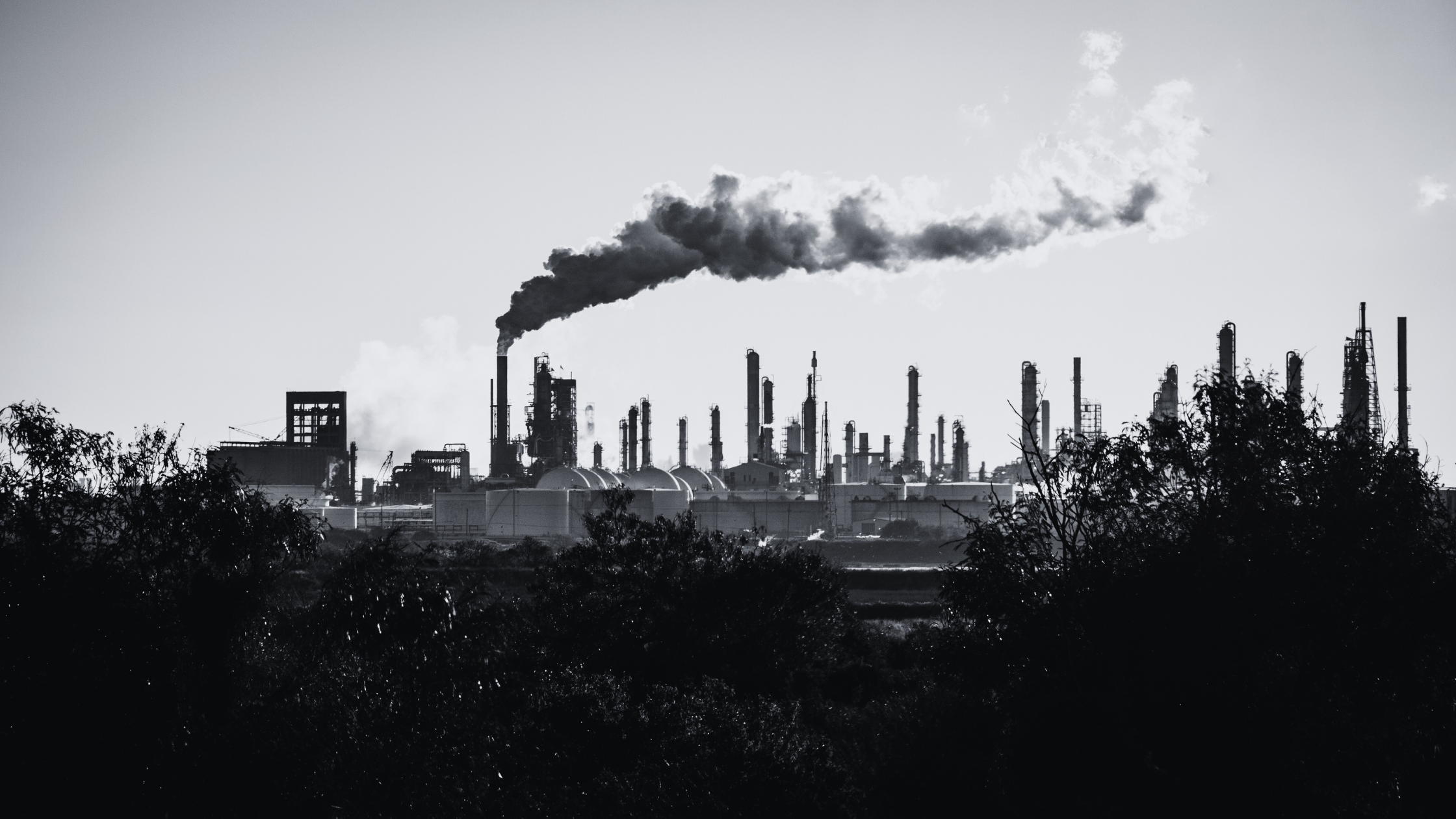
As COP29 concludes its second week in Baku, the urgency to advance bold climate action has never been greater. The focus remains on advancing climate action across four key areas, including strengthening carbon markets under Article 6 of the Paris Agreement. As 2024 unfolds, described by UN Secretary-General Antonio Guterres as “a masterclass in climate destruction,” the urgency to deliver transformative solutions has never been greater.
The World Economic Forum has outlined how international carbon trading can provide countries with greater flexibility in achieving their emissions reduction goals. Enhancing these markets could streamline and legitimise cross-border carbon credit trade, making innovative approaches like Carbon Capture and Storage (CCS) more viable by enabling them to generate tradable credits.
CCS technology continues to stand out as a critical tool for carbon removal, offering countries a pathway to meet their Paris Agreement commitments. By integrating robust CCS frameworks, governments can effectively capture, store, and trade emissions, unlocking the potential of carbon markets to accelerate decarbonisation.
We speak with six leading experts to explore the changes needed to support both technological and nature-based solutions in the race to reduce global emissions.
Carbon Markets
How can COP29 help establish global standards that differentiate high-quality, permanent carbon removal solutions from traditional carbon offsets, ensuring broader adoption and stronger support for durable carbon capture technologies?

COP29 can play a pivotal role by establishing clear global standards that prioritise high-quality, permanent carbon removal solutions. This differentiation from traditional offsets will drive broader adoption and support for durable carbon capture technologies, ensuring they become integral to achieving net-zero targets.
Sanjay Parekh, CCO, The Carbon Removers
Natural Capital
How can COP29 better support CCS innovation to drive value in nature capital as a recognised asset class, and which nature-based solutions would benefit most from investment?

COP29 can support CCS innovation by integrating it with nature-based solutions, scaling hybrid financial instruments, and improving carbon market frameworks. Afforestation, peatland restoration, soil carbon projects, and blue carbon ecosystems would benefit most from investment. Prioritising policy, monitoring, and public-private partnerships will drive nature capital’s recognition as a valuable asset class.
Alex Godfrey, Investment Director – Natural Capital, Octopus Investments
Renewable Energy
How can COP29 better support the integration of renewable energy technologies to help the UK reach its 2030 net zero target?
 At COP29, we urge world leaders to prioritise funding for bioenergy innovation, including risk guarantees and low-interest loans, to accelerate the scaling of carbon-negative solutions. Establishing global carbon accounting standards for bioenergy is essential to unlock fair market access and incentivise growth. We welcome Keir Starmer’s commitment to increase the UK’s NDCs and set an ambitious climate target for 2035, but with global emissions on track for a 2.7°C rise – well above the critical 1.5°C target – we need urgent action. Key to achieving industrial decarbonisation is the urgent commercialisation of low-cost, carbon-negative clean energy from biogenic sources. Wild Hydrogen provides scalable transformative technology for all fossil fuel-based sectors including decarbonising gas grids, starting with Biomethane and moving to Hydrogen when customers are ready. Scaling up its adoption is vital to reaching net zero. COP29 must act now to ensure bioenergy and carbon-negative technologies are central to the global climate agenda.
James Milner, CEO, Wild Hydrogen
Sustainable Agriculture
How can COP29 help landowners reduce carbon emissions and encourage sustainable farming practices?
 We strongly urge UNFCCC to prioritize increased funding to support agriculture’s transition towards decarbonization. A dedicated biochar subsidy could fast-track carbon reduction targets while unleashing biochar’s incredible potential to boost soil health and resilience in agriculture. With the UK poised to introduce a carbon tax on fertilizers by 2027, we believe policymakers should follow Denmark’s model, which has committed nearly £1 billion to biochar initiatives, aiming to cut emissions by 1.8 million tonnes of CO₂ by 2030. Biochar offers a solution that’s urgently needed now – not in five years. Climate change’s devastating impact on agriculture is already evident through recent storms and flooding, which are not only disrupting farming but also affecting the cost of living. Accelerating the adoption of UK-made biochar could be instrumental in mitigating these impacts and future-proofing our agricultural assets in the face of the climate crisis.
Adam Samuel, Co-Founder, CapChar
National Governance
How can COP29 help shape national policy to better support industrial decarbonisation?
 The UK announcement increasing our national emission reduction targets is a welcome demonstration that the new government is following through on their commitment to return the UK to a position of global leadership on climate action. The results of the UK Net Zero Business Census in September clearly demonstrated that UK industry backs greater government action on net zero, so this is welcome news and we know that thousands of businesses are ready to step up and play their part in achieving these new targets. COP29 must lead to ambitious outcomes and we hope this announcement will motivate and inspire other nations to follow suit with increased ambitions before the deadline for NDC submissions in February 2025.
Andrew Griffiths, Director of Policy & Corporate Development, Planet Mark
Local Policy
How can COP29 help shape localised policy to better support industrial decarbonisation?

A good carbon market should phase out carbon usage, not sustain business as usual. Cap-and-trade systems can help industries achieve net-zero in hard-to-abate areas short-term, butthe focus must shift from relying on offsets to directly minimising emissions. Achieving this will require a mechanism to gradually increase the price per tonne of CO₂ within the cap-and-trade framework. If communicated effectively, ecosystems like Oxford’s science parks can inspire entrepreneurs to create new solutions. At the same time, SMEs can’t be left behind and need accessible decarbonisation programs separate from corporate offsets. Models like ‘FutureFit Area Based Insetting’ can help support smaller organisations by encouraging larger ones to invest and support local initiatives and projects. More can also be done to better integratenature-based solutions and biodiversity into carbon markets to ensure a comprehensive, systems-based approach to sustainability.
Hannah Scott, CEO, Oxfordshire Greentech
As COP29 reaches its critical juncture, the path forward demands bold action across all sectors. From strengthening carbon markets to integrating innovative technologies and nature-based solutions, the summit’s outcomes must translate urgency into tangible progress—because the stakes for our planet have never been higher.
Your next read. Is cleantech at a crossroads? Why US and UK brands must brace for change.
If you are a climate technology brand looking to have your voice amplified, get in touch with the Mixology team.